
Remote Patient Monitoring
Connected patient monitoring with organized data review, documentation, and escalation workflows.
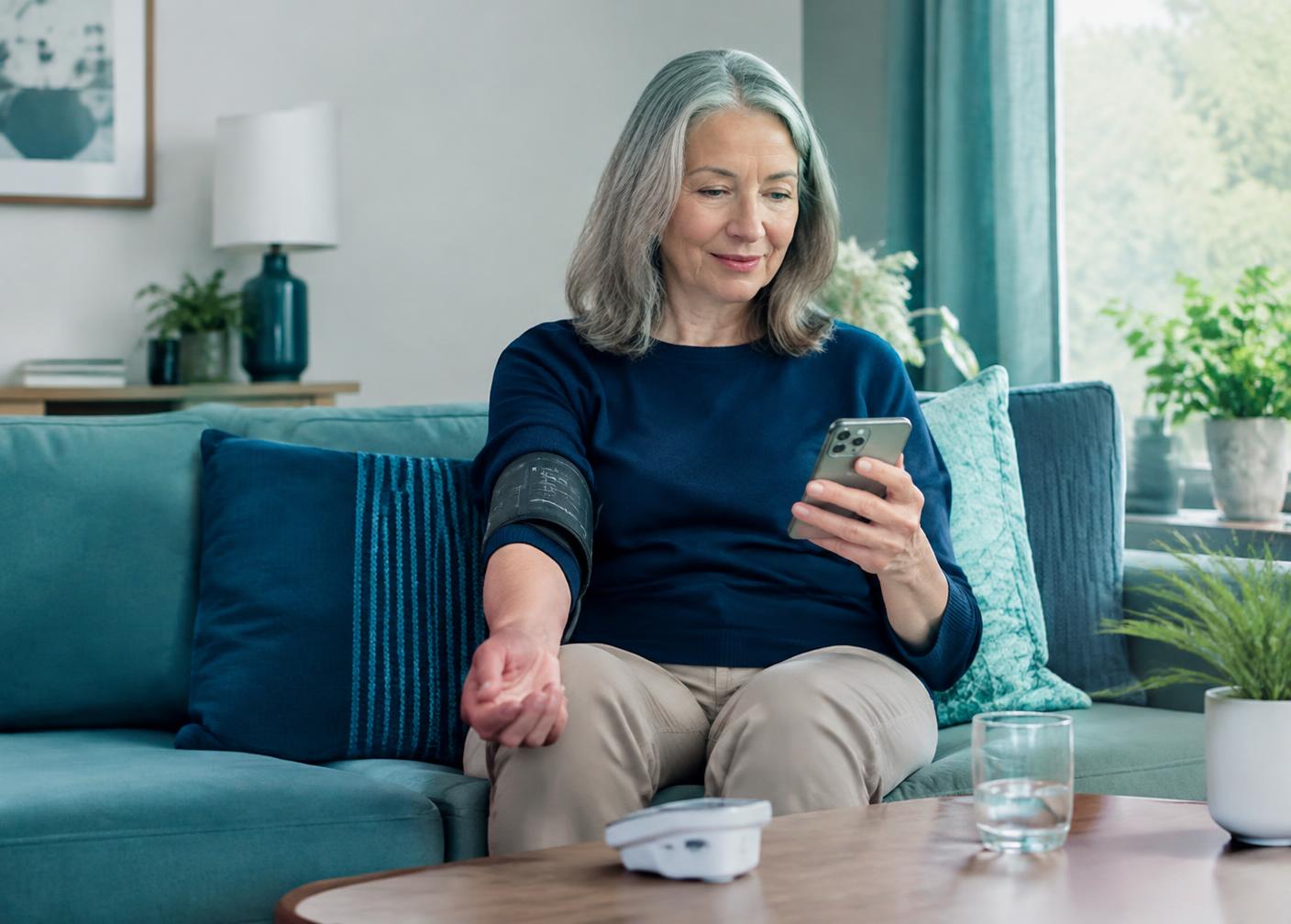
Patients use connected devices such as blood pressure cuffs, glucose meters and scales at home. Readings flow to our team automatically, so changes can be reviewed and escalated by your providers.
Overview
What is RPM?
Remote Patient Monitoring gives your practice a steady stream of real health data between office visits. Patients take readings at home on cellular-connected devices that need no Wi-Fi or smartphone setup.
Our clinical staff review readings, reach out when values fall outside the ranges your providers set, and escalate concerns to your team. Each month, we document interactive communication time to support billing.
How it works
From enrollment to monthly care
- 1
Identify patients
We review your panel for patients with conditions that benefit from home monitoring.
- 2
Enroll and ship devices
Patients give consent, and pre-configured devices ship directly to their homes.
- 3
Monitor readings
Readings arrive automatically. Out-of-range values trigger outreach and provider alerts.
- 4
Monthly check-ins
Care staff speak with patients each month and document time and interventions.
- 5
Report and bill
You receive monthly reports showing readings, minutes and billing readiness.
Patient suitability
Who RPM is for
- Hypertension or heart failure
- Type 1 or type 2 diabetes
- COPD or other chronic respiratory conditions
- Weight management linked to a chronic condition
- Patients recently discharged from the hospital
Practice support
What Healthpoint Partners handles
Devices and logistics
Sourcing, configuration, shipping, replacements and returns.
Clinical monitoring
Licensed staff review readings and follow your escalation rules.
Patient coaching
Help with device use, reading schedules and engagement.
Documentation
Day counts, interactive time and notes recorded for every patient.
Important considerations
Program requirements to know
Common billing codes
- An established provider must order monitoring for an acute or chronic condition.
- Devices must meet the FDA definition of a medical device and transmit data automatically.
- Device supply billing generally requires readings on at least 16 days in a 30-day period.
- Patient consent must be documented, and patients may have cost-sharing.
This is general information, not billing or legal advice. Requirements vary by payer and change over time. We confirm current rules with you before launch.
Is RPM right for your practice?
Book a free consultation and we'll review your patient panel, workflows and goals together.